

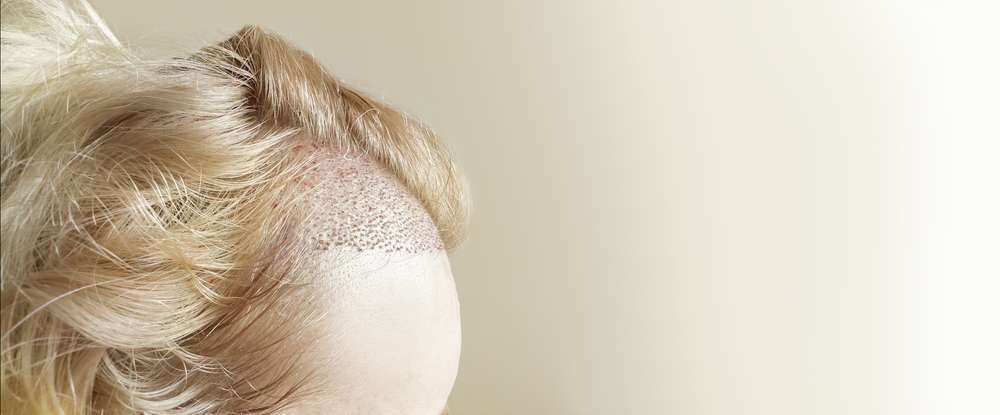
Many people across the UK face the challenge of hair thinning. Modern techniques now offer effective ways to restore confidence with natural results. If you want to understand whether a manual approach or robotic method is right for you, it helps to know how each procedure works. The decision should feel informed, calm and personalised. This guide explains the key differences and what you can expect if you are considering a hair transplant London or exploring options across the wider hair transplant UK landscape.
Understanding the Two Techniques
Both techniques aim for natural growth, but they rely on different tools. A manual approach allows a trained specialist to control every step by hand. A robotic approach uses advanced digital technology to assist with extraction and placement. Each method offers benefits depending on your goals, your hair pattern and the level of precision required.
In many clinics offering a hair transplant London, both options are now available. The same trend is growing quickly across the hair transplant UK sector. This means more people can choose an approach that suits their comfort level and expectations.
Why the Manual Approach Feels Personal
A manual technique is valued for its human touch. The specialist controls each movement while extracting and placing grafts. This approach allows the expert to study tiny details. They pay close attention to your natural growth direction and density. They also adjust their technique instantly when they see variations in your scalp.
Some people prefer this approach because they feel reassured by the presence of a skilled professional guiding each step. When you research a hair transplant London, you will notice that many long-established clinics still rely on this technique due to its flexibility. The same preference appears in many reviews across hair transplant UK platforms, where people often highlight the personalised control.
How Robotic Technology Brings Precision
Robotic technology has transformed many areas of modern medicine, and hair restoration is no exception. This approach uses digital mapping and artificial intelligence to identify the best grafts for extraction. It helps specialists achieve consistent spacing and angles when preparing the donor area. The motions are highly precise, and this reduces human fatigue during long procedures.
If you look into clinics offering a hair transplant London, you will see how robotic systems are becoming more common. They are particularly useful for larger sessions where consistency matters. Across the hair transplant UK market, this technology is praised for improving accuracy and making the process smoother for people who value innovation.
Comparing Comfort and Downtime
Comfort levels can vary depending on the technique used. A manual approach offers careful control, which can suit people with delicate donor areas. A robotic method may reduce the time needed for extraction, which some people find beneficial. Both approaches aim to create a smooth recovery period, but your individual hair pattern plays a big part in comfort and healing.
When researching a hair transplant London, you will often find detailed recovery guidance tailored to each technique. The same applies across the hair transplant UK sector, where specialists emphasise personalised aftercare rather than one-size-fits-all recommendations.
Which Option Works Best for Different Hair Types
Hair type influences the final decision. Curly or wavy patterns often benefit from the adaptability of a manual technique because it allows the practitioner to adjust their angle more easily. People with straight or fine hair sometimes prefer the robotic method due to its precision mapping.
Across clinics offering a hair transplant London, specialists frequently assess hair thickness and follicle shape before recommending a technique. In many hair transplant UK consultations, people receive a personalised evaluation based on density, donor quality and long-term goals.
Thinking About Long-Term Results
Long-term success depends on accuracy, density planning and the natural placement of grafts. Both techniques can produce excellent outcomes when performed by experienced specialists. Manual procedures rely heavily on the skill and artistic eye of the expert. Robotic methods rely on the combination of digital accuracy and human guidance.
When you compare options for a hair transplant London, you may find that some clinics prefer one method over the other based on their experience. Across the hair transplant UK community, many professionals use a hybrid approach to achieve the best results.
How to Make the Right Decision
Choosing the right method should never feel rushed. Take time to understand your goals, your hair pattern and your comfort with technology. A thorough consultation helps you assess which technique suits you. The right approach depends on your hair quality, your expectations and the expertise of the clinic you choose.
Whether you are exploring options for a hair transplant London or researching treatment choices across the hair transplant UK field, the most important step is speaking with a trusted professional who listens carefully.
Final Thoughts
Manual and robotic techniques both offer strong outcomes, but they suit different preferences and hair types. A calm, informed decision always leads to the best experience. Understanding the strengths of each method helps you plan confidently and focus on long-term success.