

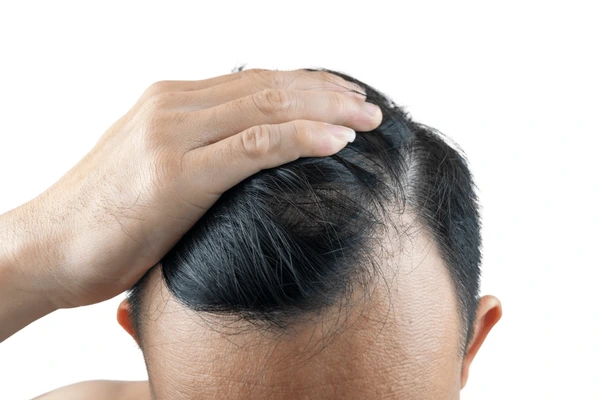
The decision to undergo a hair restoration procedure marks a significant milestone in your personal confidence journey. You have likely spent months researching the best FUE clinic UK to ensure your results look natural and dense. However, the procedure itself is only the first half of the story. The way you manage your recovery determines the ultimate success of your new grafts. Healing requires patience, precision, and a gentle touch. Many patients feel a mix of excitement and anxiety once they leave the surgical chair. This guide helps you navigate the post-operative phase with total ease. We focus on keeping you comfortable while protecting your investment. By following these professional recovery protocols, you ensure that every follicle thrives in its new home.
The Importance of the First Three Days
The initial seventy-two hours represent the most critical window for graft survival. During this time, the newly implanted follicles remain delicate and have not yet fully anchored into the scalp. You must treat your head with extreme care to avoid dislodging any units. When you work with the best FUE clinic UK, your surgical team provides a specific aftercare package. This period requires you to stay upright as much as possible to reduce initial swelling. Avoid any strenuous activity that raises your blood pressure. Increased blood flow to the scalp can lead to minor bleeding or graft displacement. Focus on relaxing in a controlled environment. Keep your hands away from the recipient area at all costs. Even a light scratch can compromise the healing process during these early days.
How to Sleep Comfortably After Your Procedure
Sleeping often presents the biggest challenge for patients during the first week of recovery. You must avoid placing direct pressure on the newly transplanted follicles. We recommend sleeping with your head elevated at a forty-five-degree angle. This position helps fluid drain away from the forehead and eyes. You can achieve this by using a reclining chair or a stack of firm pillows. Many patients at the best FUE clinic UK find that a travel neck pillow provides excellent stability. The neck pillow prevents your head from turning side to side during the night. By keeping your head stationary, you eliminate the risk of rubbing the grafts against your bedding. Ensure your pillowcases are clean and made of smooth fabrics like silk or high-thread-count cotton to reduce friction.
Managing Post-Operative Swelling Effectively
Swelling is a natural response to the local anaesthetic and the surgical process itself. It typically appears around the forehead and can sometimes migrate down toward the eyes. While this is not painful, it can feel tight and look quite prominent. To stay comfortable, you should apply cold compresses to your forehead but never directly on the grafts. The best FUE clinic UK advises staying well-hydrated to help your body process the fluids more efficiently. Avoid salty foods during the first five days as sodium encourages water retention. If the swelling feels heavy, continue to keep your head elevated even while watching television or reading. This simple postural adjustment makes a massive difference in how quickly the fluid dissipates.
Gentle Hair Washing Techniques for Healing Scalps
You cannot wash your hair in the traditional way for at least the first few days. Your scalp needs time to form protective scabs around the entry points. When it is time for the first wash, the best FUE clinic UK will often offer to perform this for you. If you are doing it at home, use a very gentle, pH-balanced shampoo provided by your specialist. Pour lukewarm water into a cup and gently pour it over your head. Do not use a high-pressure showerhead as the force can dislodge the grafts. Apply the shampoo by dabbing it onto the scalp with your fingertips very lightly. Never rub or massage the area during the first week. Rinse the hair using the same gentle pouring method. Pat the area dry with a paper towel rather than a regular cloth towel to avoid snagging the scabs.
Dealing with Itching Without Touching
As your scalp heals, you will likely experience a sensation of itching. This is a positive sign that your skin is repairing itself, but it can be incredibly tempting to scratch. Scratching is the primary cause of lost grafts during the second week of recovery. The best FUE clinic UK recommends using a saline spray to keep the area hydrated. A light mist of saline solution can soothe the irritation and provide immediate relief. Some patients find that taking a mild antihistamine helps reduce the systemic urge to itch. If the sensation becomes distracting, try to focus on the long-term goal of a full head of hair. Keeping your scalp moisturised according to your surgeon’s instructions prevents the scabs from becoming too dry and tight.
Proper Nutrition for Follicle Health
What you put into your body significantly impacts how fast you heal. Your follicles require specific vitamins and minerals to establish a healthy blood supply. Focus on a diet rich in protein, as hair is primarily made of keratin. The best FUE clinic UK suggests incorporating plenty of leafy greens, nuts, and lean meats into your meals. Vitamin C is essential for collagen production, which helps the skin on your scalp recover its elasticity. Avoid alcohol for at least a week after your surgery because it thins the blood and increases the risk of bleeding. Smoking should also be avoided as it restricts oxygen flow to the scalp. By nourishing your body from the within, you create the perfect environment for your hair to grow strong and healthy.
Returning to Your Exercise Routine Safely
While you may feel energetic a few days after your procedure, you must resist the urge to hit the gym. Heavy lifting and intense cardio increase intracranial pressure, which can damage the delicate grafts. The best FUE clinic UK generally advises waiting at least fourteen days before resuming light exercise. Avoid swimming in chlorinated pools or the ocean for at least a month to prevent infection. Sweat can also irritate the healing incisions and increase the risk of folliculitis. Start with short, gentle walks to maintain your circulation without overexerting yourself. Once you reach the one-month mark, you can usually return to your full fitness programme. Always check with your surgical team before starting any high-impact sports or contact activities.
Protecting Your Scalp from the British Weather
The UK weather can be unpredictable, and you must protect your healing scalp from the elements. Direct sunlight is harmful to the newly transplanted skin and can cause permanent pigment changes. If you are heading outside, stay in the shade as much as possible. The best FUE clinic UK recommends avoiding tight-fitting hats for the first ten days. If you must wear a head covering, choose a loose-fitting surgical cap or a very wide hat that does not touch the recipient area. Once the initial healing phase is complete, always apply a high-SPF sunscreen to the scalp if you have thinning areas. Wind can also carry dust and debris that might irritate the incisions, so try to stay in clean environments during your first week.
Navigating the Shedding Phase with Confidence
Between two and six weeks after your procedure, you will notice the transplanted hairs beginning to fall out. This is a completely normal part of the process known as shock loss. It can be alarming to see the hair you just paid for falling out, but the follicles themselves remain healthy beneath the skin. The best FUE clinic UK will remind you that this is simply the hair cycle resetting itself. Each follicle enters a resting phase before it begins to produce a new, permanent hair shaft. Stay calm and continue your gentle care routine during this time. You will start to see the real, permanent growth appearing around the third or fourth month. Consistency in your aftercare during this quiet period ensures the best possible density in the future.
Why Professional Aftercare Leads to Better Results
The relationship you have with your surgical team does not end when the procedure is over. Ongoing communication with the best FUE clinic UK ensures that any concerns are addressed immediately. They can provide professional cleanses and check the health of your donor area. Having an expert eye monitor your progress provides immense peace of mind. If you notice any unusual redness or small bumps, your clinic can provide the necessary topical treatments to clear them up. Most patients find that the recovery is much easier than they initially feared. By following these steps and staying in touch with your surgeon, you make the healing process a comfortable and stress-free experience.
Final Thoughts on Your Hair Restoration Success
Staying comfortable during your hair transplant recovery is all about preparation and patience. When you choose to work with the best FUE clinic UK, you gain access to the best advice and medical support available. Remember to keep your head elevated, wash with extreme care, and nourish your body with the right nutrients. Avoid the temptation to rush back into a heavy exercise routine or to scratch your healing scalp. Every day that passes brings you closer to the thick, natural-looking results you desire. The temporary discomfort of the first week is a small price to pay for a lifetime of renewed confidence. Trust the process, follow the expert guidance from the best FUE clinic UK, and look forward to the transformation ahead.