

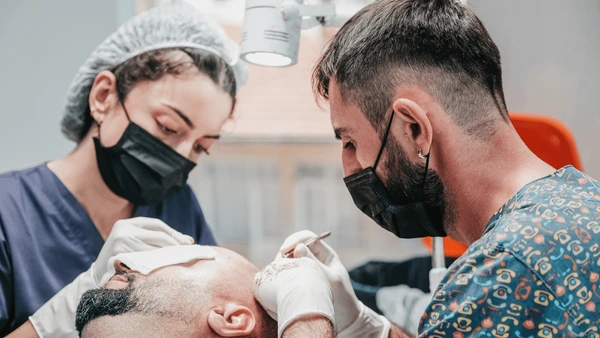
After a hair transplant, most people expect quick and obvious changes. The reality is more gradual. Results develop in stages, and the early signs of success are often subtle.
This can feel confusing if you are not sure what to expect. Some patients even worry that nothing is happening in the first few weeks. In most cases, however, the process is working exactly as it should.
If you are considering a receding hairline hair transplant, understanding the early signs of progress can help you stay patient and confident during recovery.
The First Few Days After Surgery
The first signs of success begin immediately after the procedure, even if they are not visible in the way people expect.
In the early days, the scalp may look red or slightly swollen. Small scabs form around each graft. This is a normal part of healing.
For anyone undergoing a receding hairline hair transplant, this stage confirms that the grafts have been placed and are beginning to settle.
Discomfort is usually mild and temporary. Most patients return to normal routines within a few days, following clinic guidance.
At this stage, success is not about appearance. It is about healthy initial healing.
Scabbing and Early Healing Signs
Within the first week, small scabs develop around transplanted follicles.
These scabs are a positive sign. They show that the body is protecting the new grafts as they begin to anchor into the scalp.
Experienced clinics performing a receding hairline hair transplant always explain this phase in detail before surgery.
The scabs usually start to loosen and fall away naturally within 10 to 14 days.
The key sign of success here is that the grafts remain stable and undisturbed during this healing period.
Temporary Shedding Phase
One of the most misunderstood stages is shedding.
Around two to four weeks after a receding hairline hair transplant, many of the transplanted hairs fall out. This can be alarming if you are not prepared for it.
However, this is a completely normal part of the process.
The hair shafts shed, but the follicles remain safely under the skin.
This phase is often called “shock loss.” It is actually a sign that the follicles are entering a new growth cycle.
Good clinics prepare patients for this stage so they understand that progress is still happening beneath the surface.
Early Follicle Activity Beneath the Skin
Even when visible hair is shedding, important changes are taking place below the surface.
The transplanted follicles are resting and adjusting to their new location.
Blood supply begins to strengthen around the grafts. This supports future growth.
For patients who have had a receding hairline hair transplant, this stage is invisible but essential.
There is no dramatic visual change yet, but the foundation for new growth is being built.
First Signs of New Growth
Between three and four months, early signs of new hair begin to appear.
These hairs are often thin, soft, and uneven at first. This is completely normal.
Patients who undergo a receding hairline hair transplant may notice small patches of growth along the hairline.
This stage is one of the most encouraging milestones in the journey.
The appearance may still look patchy, but it confirms that the follicles are active and producing new hair.
Gradual Thickening of Hair
Between four and six months, visible improvement becomes more noticeable.
Hair begins to thicken and blend more naturally with surrounding areas.
For a receding hairline hair transplant, this stage often shows the first real transformation in facial framing.
The hairline starts to look fuller, but it still continues to improve over time.
Many patients describe this stage as the moment they begin to feel confident again.
Hair Texture Becomes Stronger
As growth continues, the texture of the new hair improves.
Early growth can feel fine or soft. Over time, it becomes thicker and more consistent.
This change is a strong indicator of success after a receding hairline hair transplant.
The hair begins to match the natural density of surrounding areas more closely.
At this point, styling also becomes easier, even though full results are still developing.
Noticeable Improvement in Hairline Shape
By six to nine months, the shape of the hairline becomes much clearer.
The transplanted area starts to blend with existing hair in a more natural way.
For patients who had a receding hairline hair transplant, this stage often brings a significant boost in confidence.
The hairline appears more defined but still soft and realistic.
Small gaps or uneven areas continue to fill in during this period.
Full Maturation of Results
Full results usually take around 12 months, sometimes longer.
By this stage, the transplanted hair has fully matured. It thickens, strengthens, and behaves like natural hair.
A successful receding hairline hair transplant should now look seamless and natural.
The hair can be cut, styled, and washed normally without restriction.
At this point, most patients see the final outcome of their transformation.
Why Patience Is Essential
One of the most important parts of recovery is patience.
Hair growth follows a natural biological cycle. It cannot be rushed.
Patients who understand this process tend to feel more satisfied with their results.
After a receding hairline hair transplant, progress happens gradually over months, not days.
Trusting the timeline helps reduce anxiety during early stages.
Factors That Influence Success
Several factors affect how quickly and effectively results appear.
These include donor hair quality, surgeon skill, scalp health, and aftercare.
A well-planned receding hairline hair transplant relies heavily on careful graft placement and long-term design strategy.
Experienced surgeons focus on natural density and realistic hairline design.
This ensures results continue to look good as the patient ages.
The Role of Aftercare
Aftercare plays a major role in early success signs.
Following washing instructions, avoiding pressure on the scalp, and protecting grafts all support healthy growth.
Patients who follow guidance after a receding hairline hair transplant often see smoother healing and stronger results.
Poor aftercare can delay progress or affect graft survival.
This is why clinics place strong emphasis on recovery support.
Reading Reviews Helps Set Expectations
Understanding real patient experiences can help you interpret early progress correctly.
Many people researching a receding hairline hair transplant read detailed receding hairline hair transplant reviews before and after surgery.
These reviews often explain what happened month by month, which helps set realistic expectations.
Seeing real timelines helps patients understand that early shedding and slow growth are completely normal.
Honest feedback is often more useful than promotional images.
Final Thoughts
The first signs of success after a hair transplant are not always immediate or dramatic. They appear gradually through healing, shedding, early regrowth, and steady thickening.
If you are considering a receding hairline hair transplant, patience is key. The process takes time, but the results can become highly natural and long-lasting when managed properly.
Reading real receding hairline hair transplant reviews can help you understand what to expect at each stage and reduce uncertainty during recovery.
A successful transplant is not defined by instant change. It is defined by steady progress that leads to natural, lasting improvement over time.